


The Importance of Water Filters for Improving Taste and Ensuring Safety in Your Home
Have you ever wondered about the quality of water flowing from your taps? Water filters play a crucial role in enhancing taste and ensuring safety in your home. This article explores different types of water filters, how to choose the right one, and the benefits beyond just improved taste. By understanding these aspects, you can make an informed decision for your household’s water needs.
“Water is a cure-all. Water is everything. You can’t get better without drinking lots of water, and you can’t drink water unless it’s clean.” – Josh Fox, an American Film Director, Playwright and Environmental Activist
How Water Filters Enhance Taste and Safety
According to the World Health Organisation, everyone has the right to sufficient, safe, acceptable, physically accessible and affordable water for personal and domestic use. Water filters improve the taste of drinking water by removing impurities such as chlorine, bacteria, and heavy metals. They also contribute to overall health by eliminating potential contaminants. Whole-home filtration systems offer comprehensive solutions, ensuring water from every tap is clean and safe.
Common Contaminants in Tap Water
Tap water may contain a range of impurities that can affect taste and pose potential health risks. Here are some common contaminants and their impact:
| Contaminant | Effect on Taste | Health Impact |
| Chlorine | Chemical taste | Potential irritant |
| Calcium | Chalky flavor | May cause scale build-up |
| Bacteria | Unpleasant odour | Potential illness |
Removing these contaminants can result in fresher, better-tasting water while improving safety for you and your family.
Choosing the Right Water Filter for Your Home
There are several types of water filters available, each designed to target specific impurities. Understanding these options helps in selecting the best one for your household.
Popular Filtration Technologies
- Activated Carbon Filters – Ideal for removing chlorine, sediment, and odours, improving taste while maintaining essential minerals.
- Reverse Osmosis (RO) Systems – Provide comprehensive filtration by removing heavy metals, bacteria, and dissolved solids.
- Whole-House Water Filtration Systems – Treat water at the source, ensuring clean water throughout the entire home.
Each type of filter has its advantages, and selecting the right one depends on your water quality concerns and household needs.
“Everyone deserves to have clean water.” – Nyjah Huston, an American professional skateboarder
Evaluating Filter Certifications and Standards
When selecting a water filter, it’s essential to check for industry certifications that verify its effectiveness. Look for these standards:
- NSF/ANSI Standard 42 – Improves taste and odour
- NSF/ANSI Standard 53 – Reduces contaminants affecting health
- NSF/ANSI Standard 58 – Certifies reverse osmosis systems
- WQA Gold Seal Certification – Recognises high-quality filtration performance
Choosing a certified water filter ensures that you are investing in a system that meets safety and performance standards.
Beyond Taste: Additional Benefits of Water Filtration
Water filtration extends benefits beyond drinking water, positively impacting various aspects of home life.
Protecting Household Appliances
Filtered water prevents limescale buildup in kettles, dishwashers, and washing machines, increasing their lifespan and efficiency. Hard water minerals can cause damage over time, leading to costly repairs or replacements.
Better Cooking and Beverage Preparation
A home water filtration system enhances the flavour of food and drinks by eliminating unwanted chemicals and impurities. Whether you’re brewing coffee, making tea, or cooking meals, filtered water ensures a purer taste.
Reducing Plastic Waste from Bottled Water
Installing a home filtration system reduces the need for bottled water, cutting down on plastic waste and promoting environmental sustainability.
Addressing Common Concerns About Water Filters
Are Water Filters Cost-Effective?
While there’s an initial investment, water filters can save money in the long run by reducing bottled water costs and preventing plumbing issues caused by contaminants. Additionally, according to the blog, 7 Reasons to Buy a Water Purifier – 7 benefits of Filtering Water, this can also help reduce waste.
Do Water Filters Remove Essential Minerals?
Some filters, such as activated carbon models, retain beneficial minerals while removing harmful substances. Reverse osmosis systems, however, remove most minerals, which can be reintroduced through remineralisation cartridges if needed.
Installation and Maintenance
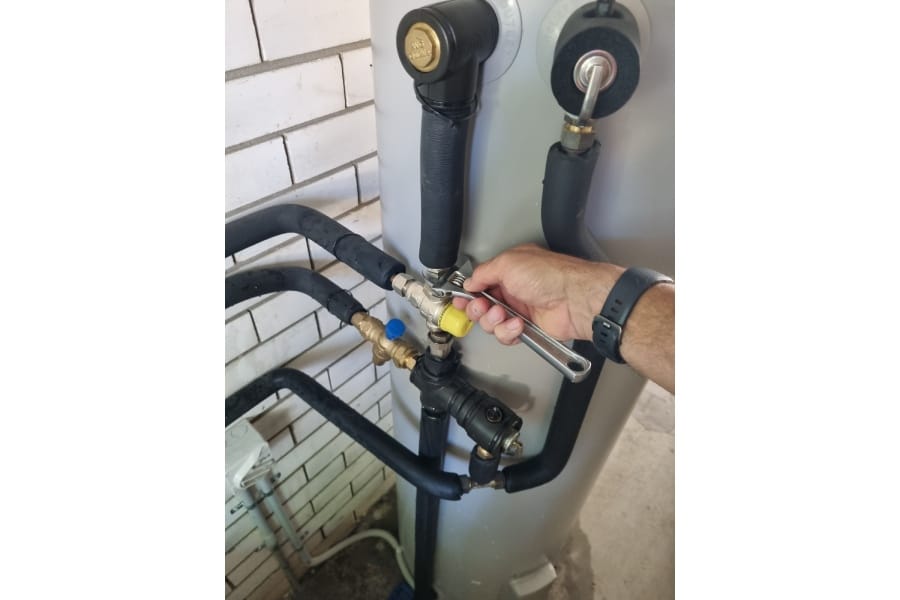
Installing a water filter depends on the type of system chosen. Point-of-use filters, such as faucet or under-sink models, are relatively easy to install, whereas whole-home filtration systems may require professional plumbing services. Regular maintenance, such as filter replacements, ensures continued effectiveness.
The Future of Water Filtration Technology
Water filtration technology continues to evolve, offering homeowners smarter and more efficient solutions.
- Advanced Filtration Methods – Innovations like nanotechnology and membrane filtration are improving water purification by targeting even the smallest contaminants.
- Smart Water Filtration Systems – Modern filtration units feature sensors that monitor water quality and notify homeowners when maintenance is needed.
- Sustainable Solutions – The trend towards eco-friendly filtration options focuses on reducing water waste while maintaining high purification standards.
These advancements promise better water quality while making maintenance easier and more cost-effective.
Water filter for your home is essential for improving taste, ensuring safety, and protecting appliances from damage. Whether you opt for an activated carbon filter, a reverse osmosis system, or a whole-home filtration setup, investing in clean water enhances your household’s well-being. By choosing the right system, maintaining it properly, and staying informed about filtration advancements, you can enjoy fresh, great-tasting water while making a sustainable choice for your home.
Enjoy cleaner, fresher water with a professional water filter installation from Better Call Plumbing. Book online today to get expert advice and hassle-free service.
FAQs
Why do I need a water filter for my home?
A water filter for your home removes contaminants like chlorine, heavy metals, bacteria, and sediments, improving both the safety and taste of your drinking water. Filtration systems also help protect household appliances by preventing limescale buildup caused by hard water minerals.
What are the different types of water filters available?
There are several types of home water filtration systems, including:
- Activated Carbon Filters – Remove chlorine, taste, and odours.
- Reverse Osmosis Systems – Eliminate heavy metals, bacteria, and dissolved solids.
- Whole-House Filtration – Filters water from every tap, removing impurities before they reach your plumbing system.
- UV Purification Systems – Use ultraviolet light to kill bacteria and viruses.
Each type serves a different purpose, so choosing the right one depends on your water quality concerns.
How do I know if I need a water filter?
If your tap water has a chemical taste, an unpleasant odour, or visible sediments, a water filter for your home may be necessary. Other signs include frequent limescale buildup on appliances, skin irritation after showering, or concerns about contaminants in your local water supply.
How often should I change my water filter?
Most water filtration systems require filter changes every 3 to 6 months, depending on usage, water quality, and the type of filter. Reverse osmosis membranes and whole-house filters may last longer but should be checked regularly for optimal performance.
Do water filters remove essential minerals?
It depends on the type of home water filtration system you use. Activated carbon filters retain beneficial minerals while removing harmful contaminants. Reverse osmosis systems remove nearly all dissolved substances, including some beneficial minerals like calcium and magnesium. A remineralisation filter can be added to restore these essential nutrients.
Are whole-house water filters worth it?
A whole-house water filtration system is a great investment if you want clean water for drinking, cooking, and bathing. These systems ensure every tap delivers filtered water, reducing exposure to contaminants throughout your home. While they have a higher upfront cost, they provide long-term benefits like improved appliance longevity and better skin and hair health.
Can a water filter help with hard water problems?
A water filter for your home can remove some hardness-causing minerals like chlorine and sediment, but it may not fully soften hard water. If you have severe hard water issues, consider using a water softener alongside your filtration system to prevent limescale buildup and improve appliance efficiency.
How do I choose the best water filter for my home?
To find the best water filter for your home, consider:
✔️ Water Quality – Test your tap water for contaminants.
✔️ Filtration Needs – Choose a system based on the impurities you need to remove.
✔️ Budget – Compare point-of-use filters (cheaper) vs. whole-house systems (higher initial cost but long-term value).
✔️ Maintenance Requirements – Ensure you can replace filters regularly for optimal performance.
Don’t let poor water quality affect your health and appliances. Our experts at Better Call Plumbing can install a high-quality water filter for your home—fast, reliable, and stress-free. Book online today!